Zhonghengfeng Group is proud to announce its pivotal role in the Astana Light Rail Project, a landmark infrastructure initiative under the Belt and Road Initiative (BRI). This project marks multiple historic “firsts” for China-Kazakhstan cooperation and represents a strategic breakthrough for the Group’s international expansion.
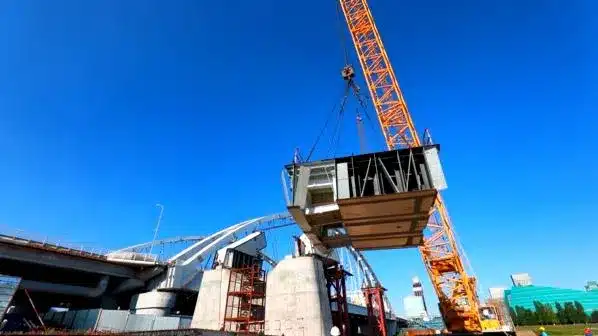
Strategic Significance: Three Historic “Firsts”
This project stands as a monumental milestone, embodying three significant achievements:
★ China’s First Urban Rail Project under BRI: The first urban rail transit project undertaken by China under the Belt and Road framework.
★ First Full China-Standard Rail Line: The first overseas light rail project to adopt 100% Chinese standards in design, manufacturing, and construction.
★ Kazakhstan’s First Urban Light Rail: The inaugural light rail system for the capital city of Astana, setting a precedent for modern urban transit in the nation.
For Zhonghengfeng, this is the first BRI project participated in by the company, signifying a leap forward in both its rail transit division and overseas business strategy.
High-Stakes Delivery: From Baotou to the Steppes
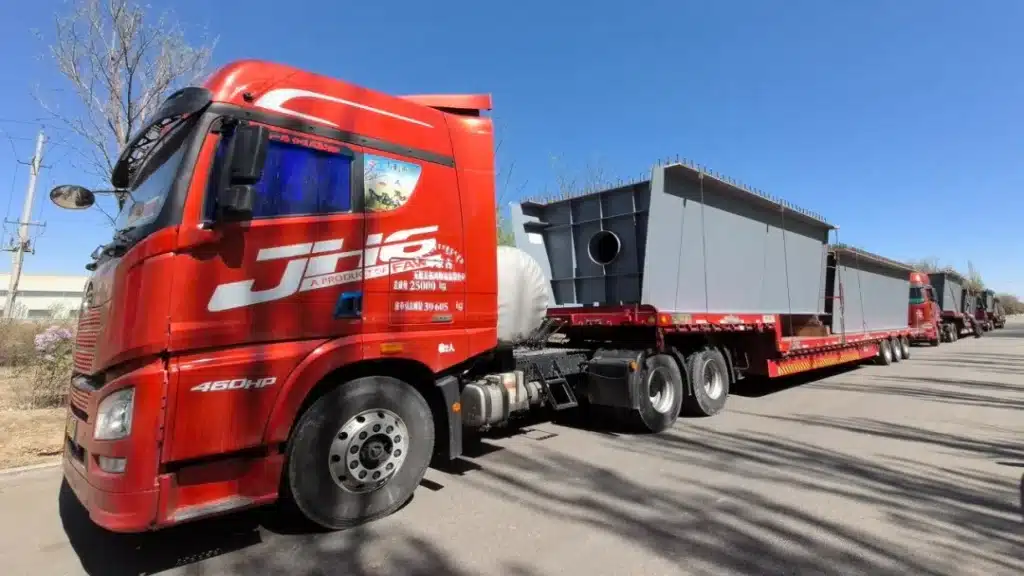
The bridge components for this project were fabricated at the Zhonghengfeng New Energy Steel Structure Manufacturing Base. These are not ordinary parts; they form the backbone of the light rail system.
| Component Specification | Detail |
| Heaviest Single Module | 1,300+ Tons |
| Longest Single Module | 140+ Meters |
| Origin | Baotou, Inner Mongolia |
| Destination | Astana, Kazakhstan |
After passing rigorous factory acceptance tests, these massive structures began their journey. They were transported from Baotou to the Horgos Port in Xinjiang, cleared customs, and continued the long-haul trek to the Kazakh capital.
On-site Execution: Precision in the Capital
The delivery of these components is just the beginning. The on-site assembly requires extreme precision.
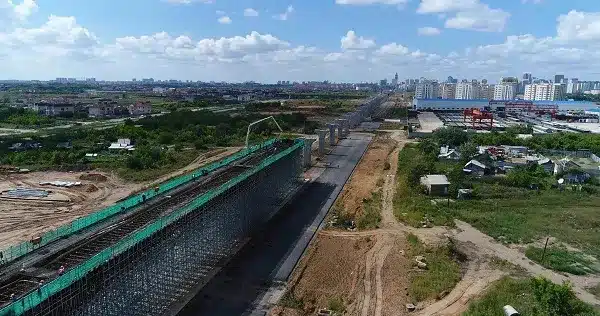
The images from the site show the scale of the operation—massive steel structures being lifted into place, forming the skeleton of Astana’s future transit network. This project showcases not just the ability to manufacture, but to deliver and install complex infrastructure on a global stage.
Conclusion
The Astana Light Rail Project is more than a contract; it is a symbol of international collaboration and technical excellence. By aligning with national strategy, Zhonghengfeng is helping to lay the tracks for Kazakhstan’s future while building a lasting legacy for Chinese manufacturing.