
Zhonghengfeng Construction Group conducted six emergency response drills during the first half of 2024 across active construction projects and steel fabrication workshops. The exercises were designed to test reporting, site control, evacuation, rescue coordination and first-aid procedures under simulated emergency conditions.
The program covered fire, electrical shock, falls from height, struck-by incidents, machinery injuries, and toxic-gas exposure or asphyxiation. Each scenario focused on the actions employees and managers should take before professional emergency and medical teams assume control.
Fire and evacuation drill
The fire exercise simulated a workshop fire accompanied by smoke and hazardous gases. Employees practiced raising the alarm, notifying safety managers and evacuating along designated routes. The response team then rehearsed using firefighting equipment, organizing rescue work and coordinating medical assistance.

Electrical shock and work-at-height scenarios
In the electrical-shock drill, the team simulated an incident involving maintenance work on workshop equipment. The response sequence included isolating the power source, preventing secondary contact, reporting the event, using electrical protective equipment and transferring the simulated casualty for first aid.
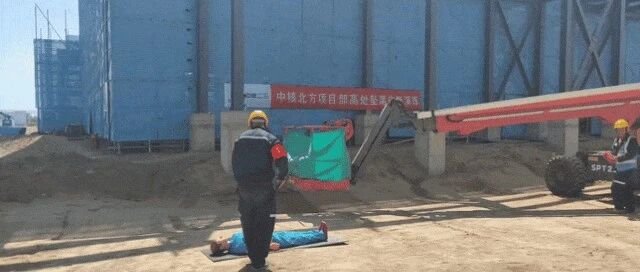
The fall-from-height scenario tested a different chain of actions. Site personnel raised the alarm and secured the area before rescuers approached with a stretcher, first-aid equipment and fall-protection gear. The drill emphasized stabilizing the casualty and avoiding further injury during transfer.
Struck-by and machinery injury response
Another exercise simulated a worker being struck by an object. Nearby personnel stopped work, alerted the site supervisor and supported the medical team as it assessed and moved the simulated casualty to a safe area.
The machinery-injury drill began with an emergency stop and isolation of the equipment. Trained responders used protective equipment, checked the scene and practiced freeing the simulated casualty without creating a second hazard. Medical personnel then rehearsed bleeding control, dressing, immobilization and transfer.

Hazardous-gas exposure and asphyxiation drill
The final scenario simulated a toxic-gas leak in a workshop. Employees practiced reporting the abnormal condition and activating the emergency plan. Responders assessed the area, wore appropriate respiratory protection, moved the simulated casualty to a safe location and coordinated cardiopulmonary resuscitation, oxygen support and hospital transfer.
Why emergency drills matter to steel project delivery
Emergency exercises do not replace prevention. Their value is to test whether people understand reporting lines, stop-work responsibilities, evacuation routes, equipment isolation and rescue boundaries before an actual event occurs. They also help management identify gaps in procedures, training or equipment.
For steel structure clients, safety management supports more reliable project execution at both the factory and construction site. Clear emergency roles and practiced response procedures help teams protect personnel while maintaining disciplined control of production and installation activities.
Project owners can review Zhonghengfeng’s quality-control approach, learn about its manufacturing and project capabilities, or contact the international team to discuss project-specific safety, inspection and documentation requirements.