A company profile published on January 21, 2021 identifies Tian Jinping and frontline production management as its subject. This revised English article removes sacrifice-oriented and absolute language and concentrates on the operational value of that subject: making priorities, constraints, status, and responsibility visible where fabrication work is performed.
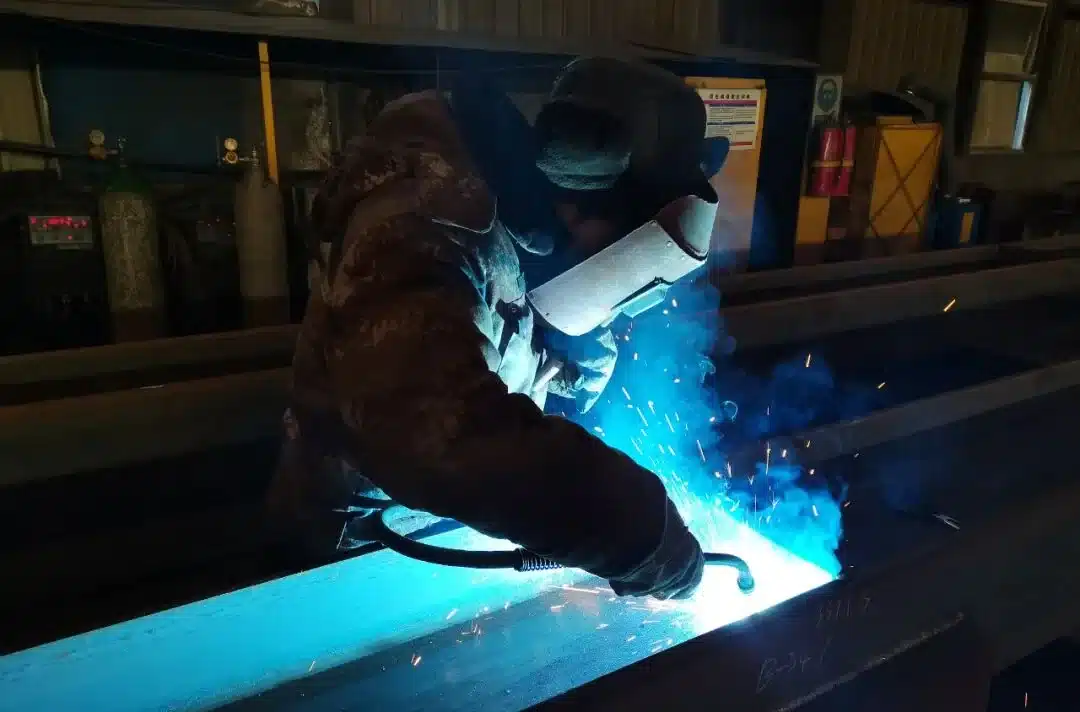
Frontline production management sits between the plan and the actual condition of the workshop. Drawings may be released, materials may be scheduled, and delivery dates may be set, but daily execution still depends on the readiness of people, information, equipment, material, inspection, and space. The manager’s task is not to rely on slogans; it is to coordinate those conditions and escalate gaps in time.
Translate the Plan into a Workable Sequence
A production plan becomes useful when the workshop can see what should be done next and what must be ready first. Component priority, process route, drawing status, material availability, required checks, and downstream need all affect sequence. A clear daily or shift-level view helps teams avoid starting work that cannot proceed or releasing components before required verification.
The sequence also needs controlled flexibility. A change in design information, inspection timing, equipment availability, or logistics can alter the practical order. When that happens, the revised priority should be communicated to affected teams and reflected in status records, rather than being passed only by word of mouth.
A Frontline Readiness Check
| Readiness area | Question before work starts | Possible action if not ready |
|---|---|---|
| Information | Is the current approved drawing or instruction available? | Hold and clarify revision status |
| Material | Is the correct identified input at the work area? | Verify, stage, or report shortage |
| Equipment | Is the required equipment available for the operation? | Reschedule or arrange support |
| Personnel | Has responsibility for the task and check been assigned? | Reallocate work or clarify handoff |
| Inspection | Are hold points and acceptance requirements understood? | Confirm inspection route |
| Downstream flow | Is there a defined place and next step after completion? | Resolve staging or transfer constraints |
This is a general management framework derived from the source theme. It is not presented as a verbatim list from the 2021 profile and does not attribute undocumented methods or results to Tian Jinping.
Use Short-Interval Control to Surface Problems
Long schedules are necessary, but they do not replace frequent status review. Frontline teams benefit from short checks that compare planned work with actual completion, identify blocked tasks, and assign follow-up. The purpose is not to create a constant meeting cycle. It is to prevent small gaps from remaining invisible until they affect a delivery milestone.
- Identify the component or batch currently in work.
- Record whether the task is not started, active, waiting, under inspection, or complete.
- Name the constraint when work is waiting.
- Assign an owner and expected response time for the constraint.
- Update the next operation or staging destination after release.
A visible status board or digital equivalent can support this discipline if its information is current. The tool itself is less important than a consistent update and escalation rule.
Quality, Safety, and Schedule Are Linked
Production pressure should not be managed by bypassing checks. A sound sequence builds required verification into the flow and keeps nonconforming or incomplete work from being treated as released. Similarly, lifting routes, equipment conditions, work-area access, and material staging affect whether the planned sequence is practical.
When a deviation appears, frontline management should protect the item’s status, obtain the proper technical disposition, and revise the plan if needed. This approach supports a realistic schedule because it recognizes actual constraints instead of hiding them.
Why This Matters to Procurement and Project Teams
For customers, frontline production management influences the reliability of progress information. A supplier should be able to explain which items are released, in fabrication, awaiting inspection, ready for packing, or blocked by an open question. Such visibility allows procurement and engineering teams to focus on decisions that genuinely affect sequence.
During pre-production coordination, customers can ask how priorities are communicated, how revisions reach the workshop, how incomplete work is identified, and how delivery sequence is connected to packing and dispatch. The answers help define reporting expectations without assuming that every project needs the same level of detail.
Use Review Data to Improve the Next Plan
At the end of a shift or work package, the team can compare recurring waits, handoff failures, and late clarifications. The purpose is to adjust planning assumptions and communication routes, not to assign broad blame. A short review makes frontline observations available to planning, engineering, procurement, and quality functions.
Management Through Clear Handoffs
The source record’s value lies in its frontline-management theme and identification of Tian Jinping, not in inspirational or absolute claims. Effective production management is visible in ordinary controls: current information, workable priorities, readiness checks, honest status, formal handling of exceptions, and clear handoffs.
To discuss production planning, fabrication status reporting, inspection coordination, or delivery sequencing for your steel-structure package, please contact our team. We can align the communication and documentation approach with the scope of your project.